ASUS finally gave ROG Ally fans the OLED upgrade many had been waiting for, but the new ROG Xbox Ally X20 is not arriving as a simple screen refresh. It comes dressed as a 20th-anniversary showpiece, with a larger OLED display, translucent styling, gold accents, and bundled AR glasses.
That bundle is where the excitement gets complicated. Instead of selling the handheld on its own, ASUS pairs it with ROG XREAL R1 Edition 20 glasses, turning a display upgrade into a premium package. For gamers who only wanted OLED, the biggest question may be price, not power, this time around.
OLED handheld arrives in ROG lineup
The ROG Xbox Ally X20 marks the first OLED handheld in the Asus Republic of Gamers Ally family, launching as part of the brand’s 20th anniversary celebrations spanning 2006 to 2026.
The device upgrades from a 7-inch LCD to a 7.4-inch OLED panel while retaining a 1080p resolution and 120Hz refresh rate, signaling a display-focused evolution rather than a performance overhaul.
It also introduces a translucent shell design with gold accents and upgraded internal visibility, positioning the device as both a performance handheld and a collector-style showcase piece.
Bundle only pricing catch
A major constraint is that the X20 is not sold as a standalone product and must be purchased exclusively with the ROG XREAL R1 Edition 20 AR glasses.
This bundling strategy significantly increases the entry price, as Asus positions the package as a collector edition rather than a mainstream handheld upgrade option for everyday gamers.
ASUS has not confirmed final pricing for the X20 bundle. Tom’s Guide estimates it could exceed $2,000, based on the $999 price of the standard ROG Xbox Ally X and the $849 price of the ROG XREAL R1 glasses, though the final bundle price may differ.
Display upgrades and performance parity
Despite the OLED upgrade, the handheld retains the same AMD Ryzen AI Z2 Extreme processor as the standard Xbox Ally X, ensuring no major performance uplift in raw gaming power.
It continues to ship with 24 gigabytes of LPDDR5X memory and a 1-terabyte PCIe 4.0 solid-state drive, matching the base model’s internal hardware configuration exactly across the lineup.
The unchanged hardware focus highlights Asus’ strategy of improving visual experience through display technology rather than increasing compute performance for this generation of handheld gaming devices.
OLED advantages for gaming immersion
OLED technology brings perfect black levels and infinite contrast to handheld gaming, significantly improving visibility in dark scenes compared with traditional LCD backlit displays used in earlier models.
The 7.4-inch panel supports VESA DisplayHDR 1000 and Dolby Vision, with ASUS claiming up to 1,400 nits of peak brightness for HDR content.
A variable refresh rate range extending down to 30Hz improves smoothness in lower frame rate scenarios, while anti-reflective Corning DXC glass and anti-reflective coating reduce glare by 65%.
Design and anniversary styling
The X20 features a translucent black shell with visible internal components and gold accents, reflecting Asus 20th anniversary design language inspired by early 2000s hardware aesthetics trends.
The Xbox button glows green to reinforce brand identity, while the overall industrial design emphasizes a collectible, premium product rather than a purely utilitarian gaming device approach.
This aesthetic direction aligns with limited anniversary releases targeting enthusiasts who value unique hardware presentation alongside standard gaming performance in a highly limited, collector-focused release strategy.
Control upgrades and drift solution
The new TMR thumbsticks use tunnel magnetoresistance designed to eliminate joystick drift, a common issue that has affected many handheld gaming devices over time reliably.
The transforming D-pad allows users to switch between 4-axis and 8-axis input modes by rotating the component, offering greater flexibility for different game genres and control preferences.
AR glasses spatial gaming experience
The bundled ROG XREAL R1 Edition 20 AR glasses transform the handheld into a spatial gaming system using dual micro-OLED displays and 3DoF head tracking technology integration.
They project a virtual 171-inch screen at four meters with 240Hz refresh rate support, enabling immersive gaming in seated or reclined positions with high responsiveness for improved user experience.
The glasses effectively act as an external display solution, reducing reliance on built-in screens while expanding portability options for long gaming sessions in multiple use cases significantly.
Little-known fact: The bundled ROG XREAL R1 Edition 20 AR glasses project a virtual 171-inch screen at 4 meters and support a 240Hz refresh rate via dual micro-OLED displays.
Market positioning vs rivals
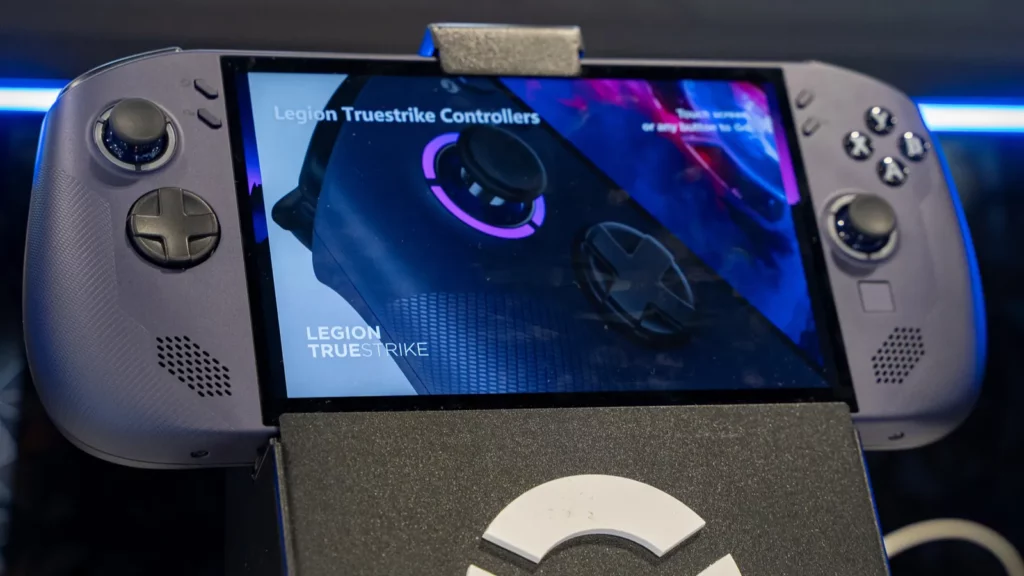
The X20 enters a competitive handheld market where devices like the Lenovo Legion Go 2 focus on larger screens and higher refresh rates at lower price points.
With an estimated price exceeding $2,000, the bundle positions itself above mainstream handhelds and competes more directly with high-end gaming laptops in cost rather than portability segments.
Windows 11 ecosystem benefits
The device runs Windows 11, giving users access to major gaming platforms, including Steam, Xbox Game Pass, Epic Games Store, and GOG, without ecosystem restrictions across supported titles.
MicroSD expansion support ensures flexible storage management for large game libraries, making the handheld suitable for both indie titles and demanding AAA installations without requiring internal upgrades.
Pricing uncertainty and collector angle
Asus has not officially confirmed pricing for the X20 bundle, leaving expectations based on component estimates and industry analysis rather than a firm retail announcement so far.
This uncertainty contributes to speculation that the bundle will be positioned as a limited collector release rather than a mass-market gaming device for broad audiences across global markets.
The collector focus suggests Asus is targeting enthusiasts who prioritize exclusivity and design over cost efficiency, which may limit adoption among mainstream handheld gamers in current market conditions.
Little-known fact: Asus also supports Auto SR upscaling on the X20, a feature previously exclusive to Windows 11 Copilot+ PCs for sharper visuals on external displays.
Gaming experience implications
The OLED upgrade enhances visual clarity in both AAA and indie games, particularly in darker environments where LCD backlighting typically reduces contrast and detail visibility for handheld players.
Despite identical processing hardware, the improved display and HDR support may create a perception of better performance due to smoother visual transitions and reduced motion blur effects.
The unchanged internal architecture ensures compatibility with existing Xbox Ally X software profiles, meaning performance differences will be primarily visual rather than computational in nature for most users.
AR glasses adoption concerns
The inclusion of AR glasses significantly raises the entry cost, potentially limiting appeal among users who prefer traditional handheld gaming without additional accessories in gaming setups overall.
While the glasses offer 240Hz refresh rates and a virtual 171-inch display, they also require a specific usage environment that may not suit all players in practical scenarios.
This dependency on external hardware could discourage buyers who value portability, simplicity, and prefer integrated display solutions over multi-device gaming configurations for everyday use cases in practice.
Release timeline and expectations
The X20 bundle is expected to arrive in 2026, aligning with Asus 20th anniversary celebrations, although no specific launch date has been confirmed yet by the company.
Previous announcements of the ROG XREAL R1 glasses suggest a broader rollout of AR gaming accessories in 2026, which may influence bundled ecosystem adoption strategies across product lines.
TL;DR
- Asus introduces the ROG Xbox Ally X20 as its first OLED handheld, featuring a 7.4-inch 120Hz display with HDR support for improved portable gaming visuals.
- The device is bundled exclusively with ROG XREAL R1 AR glasses, pushing total cost beyond $2,000 and making it more of a collector’s edition than a mainstream upgrade.
- Despite identical internal hardware to the Xbox Ally X, the OLED screen and improved brightness significantly enhance visual immersion without changing raw performance capabilities.
- The bundle highlights a shift toward premium handheld ecosystems combining AR accessories and high-end displays, potentially reshaping expectations for portable gaming devices in 2026.
This article was made with AI assistance and human editing.
If you liked this, you might also like: