Some newer Amazon Fire TV Stick models are drawing attention among Android app users who rely on sideloading rather than fully curated app ecosystems.
Amazon’s Fire TV Stick HD (2026) and Fire TV Stick 4K Select (2025) use Vega OS, a newer software platform that changes how apps are installed and limits the Android-style flexibility power users expected from older Fire TV devices.
What changed with the Fire TV software shift
Amazon’s new Fire TV direction uses a software system called Vega OS that moves away from Fire OS and reduces compatibility with Android APK sideloading.
Mainstream users may not notice changes, but the update is significant for those using third-party tools, app stores, or experimental streaming apps outside Amazon’s ecosystem.
Reports say that the Fire TV Stick HD 2026 and 4K Select use the new software experience, which restricts sideloading of Android apps compared to older Fire TV devices.
The HD 2026 includes 1080p output, Wi-Fi 6, Bluetooth 5.3, HDR10 support, and a quad-core processor, making it a streamer rather than an open Android-style device.
Why sideloading matters for Android users
Sideloading APK files has been a defining advantage of Fire TV devices, allowing installation of media players, IPTV tools, and utility apps not available in official app stores.
The removal of this capability means users lose access to flexible workflows such as browser installs and third-party repositories, reducing the device’s appeal for power users who expect control over their streaming setup.
Should mainstream users be concerned?
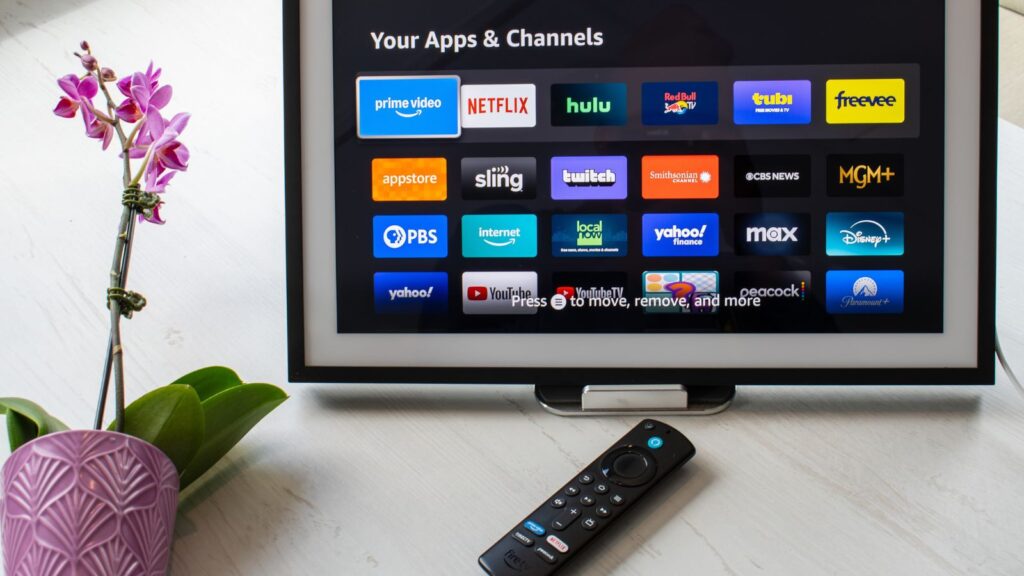
If you mainly use Netflix, Prime Video, Disney+, YouTube, and other mainstream streaming services, newer Fire TV Stick models should still cover everyday viewing needs, with a simplified app experience and tighter integration with the Amazon ecosystem.
The tradeoff is clearer for advanced users who prioritize openness, because Amazon’s newer software direction emphasizes curated app access over the broader Android-style flexibility that earlier Fire TV devices were known for.
What does Vega OS mean for Fire TV’s future?
Vega OS represents a strategic shift toward a more controlled streaming environment, where Amazon prioritizes stability, curated applications, and tighter integration with its own services over Android-based openness.
This aligns Fire TV devices closely with smart TV platforms, reducing fragmentation but also limiting the experimental flexibility that once attracted advanced Android users.
While this might improve performance consistency and reduce app conflicts for everyday viewers, it signals a clear departure from the open ecosystem approach that helped Fire TV stand out in earlier generations of streaming devices.
Comparing old Fire TV devices with new models
Older Fire TV Stick models gained popularity largely because they ran Fire OS versions that closely mirrored Android, making it easy for users to install third-party APK files and experiment with alternative streaming apps.
In contrast, newer models such as the Fire TV Stick HD 2026 focus on improved hardware performance, including faster processors, Wi-Fi 6 connectivity, and a slimmer design aimed at consumer convenience.
This tradeoff between openness and optimization defines the current generation gap, where older devices remain attractive to power users while newer ones prioritize simplicity, speed, and ecosystem control over unrestricted software access.
Who should avoid these Fire TV Sticks?
Users who regularly rely on sideloaded apps, IPTV services, alternative media players, or custom Android utilities should carefully reconsider newer Fire TV Stick models before upgrading or purchasing.
For these users, losing access to APK installation workflows can significantly limit device flexibility, making older Fire TV hardware or fully open Android TV boxes a better practical long-term choice.
But users who depend solely on major streaming platforms and voice assistants will likely experience no functional loss and benefit from faster navigation and improved app discovery.
What this means for the streaming market
The shift in Fire TV strategy highlights a broader industry trend where streaming device makers are prioritizing ecosystem control and user simplicity over the open Android flexibility that once defined early streaming hardware competition.
This move aligns Amazon closely with competitors that already restrict sideloading or advanced customization, signaling a convergence toward more locked-down but user-friendly streaming platforms across the market.
For consumers, this means future streaming devices might continue to improve in speed and interface design, while offering fewer opportunities for deep system-level modification or third-party app experimentation.
Little-known fact: Sideloaded Fire TV sticks have drawn news/202604200031_Amazon_Fire_TV_Sticks_Vega_OS_Future_No_Android_Sideloading” target=”_blank” rel=”noreferrer noopener nofollow”>repeated criticism from anti-piracy groups like the Alliance for Creativity and Entertainment for enabling large-scale streaming piracy.
Amazon’s control strategy behind Fire TV changes
Amazon benefits from a more controlled Fire TV ecosystem because it can steer users toward official app distribution channels, improve platform consistency, and reduce fragmentation across its streaming lineup.
This also supports tighter integration with Amazon services, voice controls, advertising, and content recommendations, giving the company more influence over how users discover and engage with streaming content on Fire TV devices.
While this strategy may improve user experience consistency and monetization opportunities, it comes at the cost of reducing the Android-style openness that once differentiated Fire TV from more locked-down streaming platforms.
Vega OS still allows developers to sideload and test Vega apps on the Fire TV Stick 4K Select, but Amazon’s documented process requires additional setup steps, such as installing the Vega SDK, connecting the device to a development machine, registering the device, and enabling Developer Mode.
What power users should consider before upgrading
Power users considering an upgrade should evaluate whether they depend on sideloading workflows, custom app environments, or alternative streaming services outside Amazon’s official app ecosystem.
If these capabilities are essential, older Fire TV models or Android TV-based devices may be a more suitable long-term solution than newer Fire TV Sticks.
However, if streaming stability, speed, and simplified setup matter more, the new devices still offer meaningful improvements that align with mainstream usage patterns across U.S. households today.
Little-known fact: Amazon says Vega OS will power all future Fire TV Stick models starting with the Fire TV Stick 4K Select, marking a clear move away from Android-based Fire OS on new Fire TV Stick hardware.
How does this impact the Android users
Android app ecosystem users who rely on Fire TV devices have historically benefited from a semi-open environment that offers greater flexibility than is commonly found in locked-down streaming sticks.
The newer Fire TV direction narrows this flexibility, shifting toward a controlled experience that prioritizes curated content and official apps over experimental Android-based installation methods used by power users.
As a result, developers and advanced users may find fewer opportunities to test new apps or modify device behavior, reinforcing the divide between streaming users and technical enthusiasts.

TL;DR
- Amazon’s Fire TV Stick HD (2026) and Fire TV Stick 4K Select (2025) use Vega OS, a newer software platform that limits the Android-style APK sideloading flexibility available on older Fire OS devices.
- This change matters most for Android app enthusiasts who previously relied on Fire TV devices to install third-party tools, IPTV apps, alternative media players, and other apps outside official stores.
- The Fire TV Stick HD (2026) includes Wi-Fi 6, Bluetooth 5.3, HDR support, and a quad-core processor, but it is positioned primarily as a streamlined streaming device rather than an open customization platform.
- Older Fire TV devices remain more suitable for users who depend on Android-style sideloading workflows and experimental apps because many earlier models run Android-based Fire OS versions.
This article was made with AI assistance and human editing.
If you liked this, you might also like: