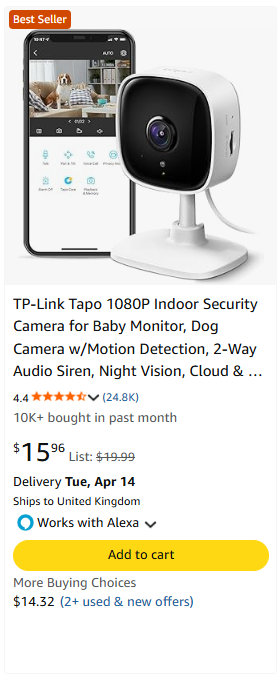
A smart home can appear completely quiet while connected devices continue generating network activity in the background. Televisions, cameras, speakers, thermostats, and other products may still communicate with cloud services even when nobody is actively interacting with them.
That activity is not automatically harmful. Smart devices may check for updates, synchronize accounts, support remote-control features, or exchange diagnostic and service data while operating normally.
Pi-hole can make part of that activity easier to examine by logging DNS queries that pass through it. When individual devices use Pi-hole directly for DNS, the dashboard can show which client requested a domain and how often those lookups occurred.
Pi-hole exposes DNS activity
Pi-hole works as a network-wide DNS filter. When a home network is configured to use it, client DNS queries pass through Pi-hole before being forwarded to an upstream DNS resolver. Domains on configured blocklists can be denied before normal name resolution succeeds.
The dashboard records DNS queries, allowing users to see which domains are being requested and, in suitable network configurations, which client made each request. This can expose repeated background lookups from smart TVs, speakers, cameras, plugs, sensors, and other connected devices.
Those logs provide useful clues about device behavior, but they do not reveal the contents of network traffic or prove why a particular domain was requested. A repeated lookup may relate to cloud access, software updates, analytics, advertising, or another service, so additional investigation may be needed before drawing conclusions.
Why idle devices keep communicating
Many smart home products depend on cloud services to function properly. A device may need regular connections for remote control, software updates, account syncing, time checks, or performance reporting, even when the owner is not interacting with it.
Smart speakers can send voice-related metadata after wake-word events, while cameras and doorbells may upload motion events or video clips. Other devices can transmit identifiers, network information, and usage patterns to manufacturers.
The concern is not only about individual data points but also about the larger picture. Combined information from many devices can create a profile of household routines, including activity patterns, occupancy, and daily habits.
What information can devices reveal?
Smart TVs are among the most discussed examples because they often collect viewing-related information through app telemetry and automated content recognition features. This data can help companies understand usage while also creating privacy concerns.
Thermostats and sensors can reveal more than temperature settings. Their activity patterns may suggest when residents are home, sleeping, away, or following predictable routines based on repeated device behavior.
Smart lights and plugs can also expose lifestyle patterns. Frequent requests at certain hours may indicate that rooms are occupied, that people wake up, or that a household typically turns devices on and off.
How Pi-hole blocks unwanted connections
Pi-hole does not inspect the actual contents of encrypted internet traffic. Instead, it focuses on domain requests, allowing it to identify where devices are trying to connect before those connections happen.
When a device requests a blocked tracking or advertising domain, Pi-hole can return a blocked response instead of allowing the domain to load. This reduces some telemetry, advertisements, and unnecessary network activity.
A typical setup uses a Raspberry Pi or another always-on computer running Pi-hole. The router then directs network DNS requests through Pi-hole, creating a central view of activity from connected devices.
Little-known fact: Pi-hole’s official v6 release, launched February 18, 2025, added a built-in REST API and embedded web server, eliminating the need for separate lighttpd and PHP components.
What Pi-hole cannot see
Although Pi-hole provides valuable insight, it is not a complete privacy solution. It cannot see inside encrypted application traffic, authenticated cloud sessions, or every communication sent to necessary first-party services.
Some smart devices require certain domains to operate correctly. Blocking those connections may affect features, so users often need to understand what each request does before creating strict block rules.
The tool is best viewed as a privacy layer and diagnostic system. It can expose patterns and block known trackers, but it cannot completely prevent all data collection from smart home products.
Smart home privacy needs layers
Network segmentation is a widely recommended smart home security measure. Separating internet-connected devices from computers and other systems that contain sensitive data can limit the damage if a less secure IoT product is compromised.
Homeowners can combine separate IoT networks with device inventories, privacy settings, software updates, and DNS filtering. Pi-hole can increase visibility by logging DNS lookups from devices configured to use it, while network segmentation provides a separate security boundary.
Pi-hole should not be described as revealing every connection attempt. It records DNS queries that reach it, while direct IP connections, DNS requests sent through another resolver, and some encrypted-DNS traffic may not appear in its logs.

The bigger meaning of network visibility
Pi-hole’s value goes beyond blocking selected domains. Its DNS logs can help homeowners see how often connected devices perform background lookups and which internet domains they attempt to resolve.
Devices that appear inactive or remain in standby can still communicate with cloud services for updates, synchronization, remote-control functions, or other background features. DNS activity alone cannot establish exactly what data is being transmitted, but it can provide useful clues for further investigation.
For smart home enthusiasts, that visibility can make it easier to review device behavior, adjust settings, and decide which products and services they are comfortable keeping connected.
Little-known fact: Amazon discontinued its “Do Not Send Voice Recordings” setting on March 28, 2025, meaning Echo devices now send all voice interactions to the cloud by default.
Reading the Pi-hole dashboard
The Pi-hole dashboard presents DNS statistics, requested domains, blocked queries, and client information when the network is configured to expose individual clients. This can help homeowners spot unusually frequent domain lookups or unfamiliar destinations without manually reviewing raw DNS logs.
A sudden increase in DNS queries from a smart camera or television may justify checking the device’s software, settings, or recent behavior. A spike is not proof of malicious activity, as legitimate updates, retries, synchronization, and other normal service operations can also generate repeated lookups.
Over time, DNS logs can establish a baseline for how often devices request particular domains. They provide useful context, but Pi-hole cannot determine from DNS records alone whether a lookup represents an update, analytics upload, video transfer, or another type of network activity.
Making smarter device choices
Information from Pi-hole can influence future buying decisions, as privacy becomes another feature to consider. Homeowners may prefer products with transparent policies, local processing options, and stronger controls over the information collected.
Smart home technology continues to add convenience through automation, but that convenience often depends on cloud connectivity. Understanding those connections helps users decide which devices deserve access to their networks.
The growing popularity of privacy tools reflects a larger shift in smart home ownership. People are becoming more interested in what their devices do, not just in the features they provide.
Why this matters for homeowners
Connected products such as smart lights, cameras, sensors, thermostats, and voice assistants are now common parts of home networks. As households add more internet-connected devices, understanding how those products communicate can help users make better-informed privacy and security decisions.
Pi-hole’s primary function is network-wide DNS filtering, but its query logs and dashboard also provide useful visibility into domain requests. Setting it up requires some basic network configuration because the router or individual devices must be configured to use Pi-hole for DNS.
That visibility can help homeowners review recurring DNS patterns, identify unfamiliar domains, and make more informed decisions about privacy settings and network design. It should be used alongside other protections rather than treated as a complete smart-home security solution.

TL;DR
- Pi-hole can show DNS queries from smart devices, including which domains are requested and how frequently those lookups occur when devices use Pi-hole for DNS.
- Smart home devices may generate background network activity for cloud services, updates, remote-control features, synchronization, analytics, and other normal functions.
- Research shows that smart-device network traffic patterns can reveal information about household activity even when the traffic itself is encrypted.
- Pi-hole can block DNS resolution for configured domains, but it cannot inspect encrypted application traffic, verify what data a device transmits, or stop all forms of smart-device data collection.
- Stronger smart home privacy can combine DNS filtering with privacy settings, software updates, device inventories, and network segmentation.
This article was made with AI assistance and human editing.
If you liked this, you might also like: